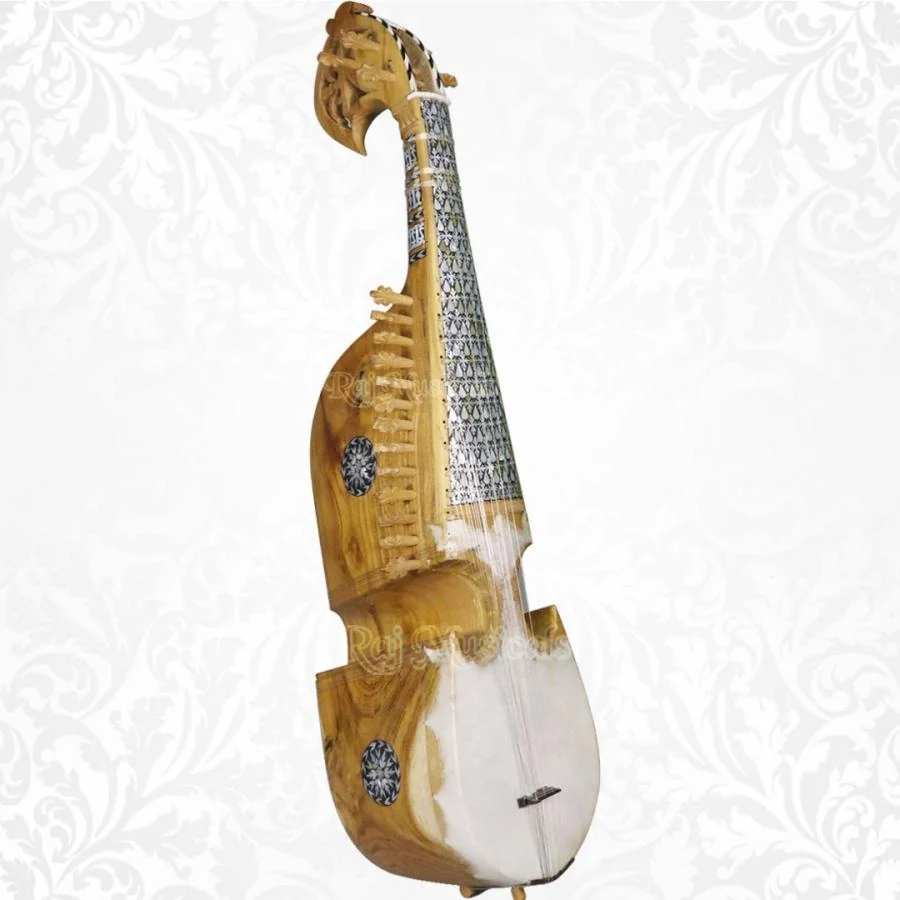
Afghan-style rabab
A lively, plucked voice in mulberry wood, with goatskin and intricate inlay.
₹21,000BUY FROM UAWood is shaped. Skin is stretched. Strings find their tension. Then someone puts a hand to the instrument, and the story becomes sound.
Find your rabab Learn more about Rabab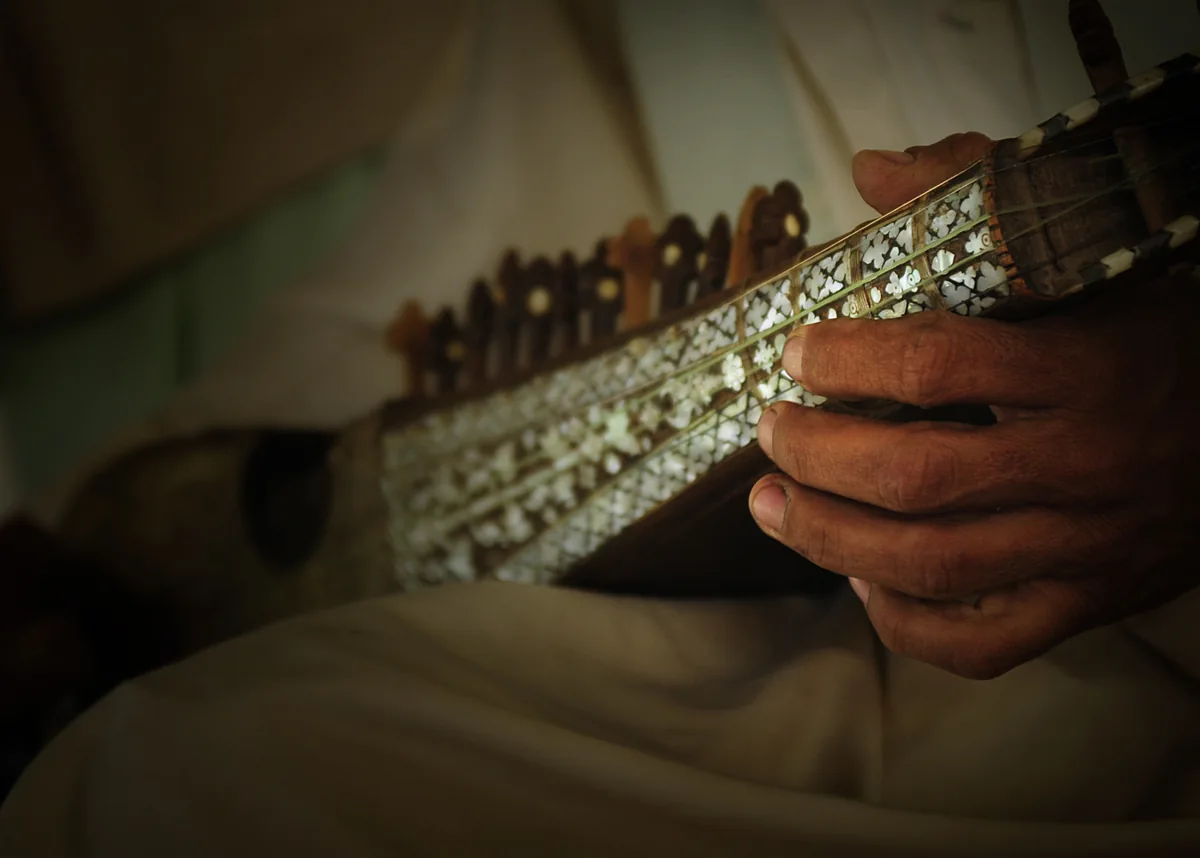
Three models from Unheard Amritsar.
Explore the photos and UA prices. Ordering opens soon.
A lively, plucked voice in mulberry wood, with goatskin and intricate inlay.
₹21,000BUY FROM UA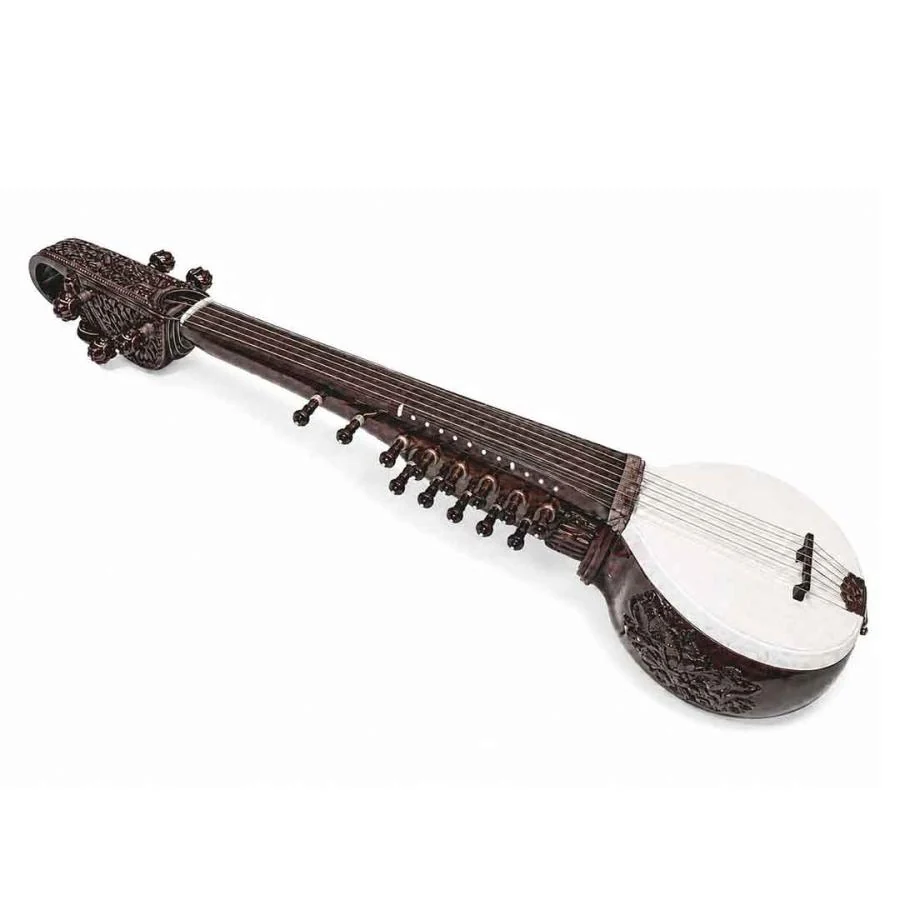
The rabab’s place in Sikh kirtan, carried into a contemporary Punjabi model.
₹34,000BUY FROM UA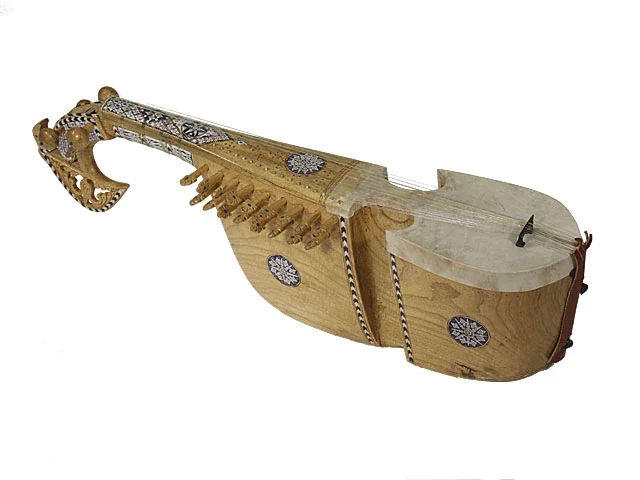
Made in Kashmir, with a one-piece mulberry body and twenty-two strings.
₹31,912.50BUY FROM UA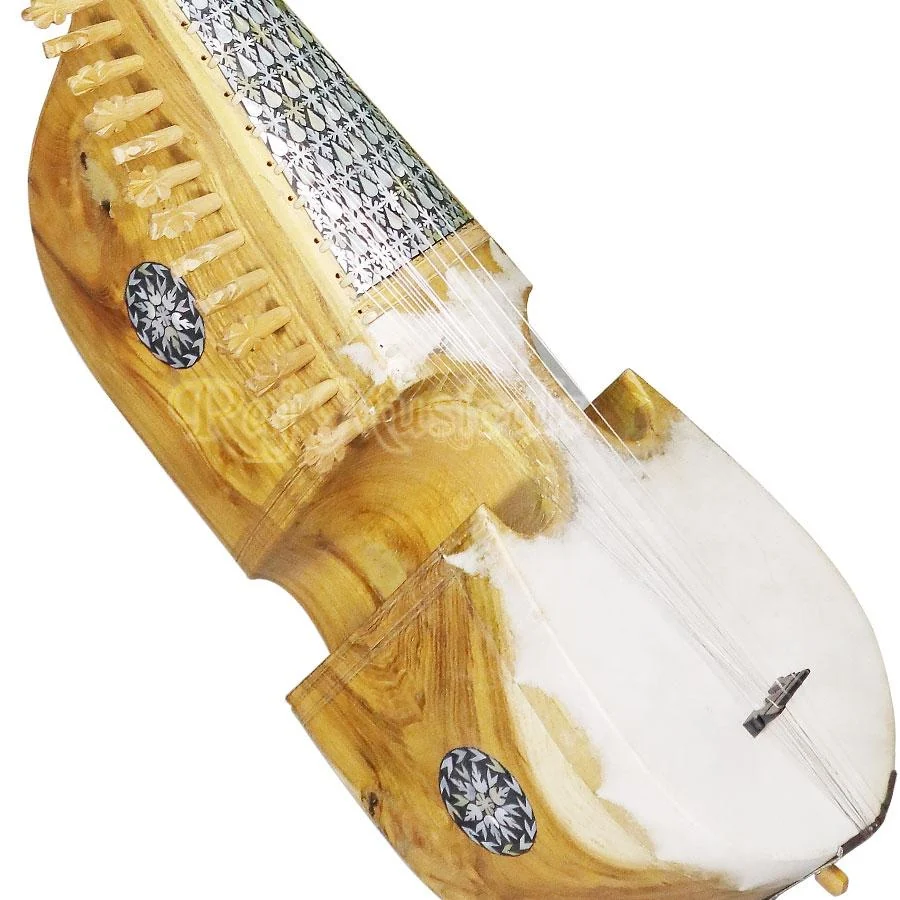
The body begins as wood. In Ustad Esa’s Kabul workshop, mulberry is carved, the head is attached, and the pegs and bridge are worked with smaller tools. A goatskin membrane and mother-of-pearl inlay complete the instrument before tuning.
That sequence brings the craft into focus. The wood you hold, the skin beneath the strings and the maker’s decisions all belong to the instrument’s story.
Step inside the workshop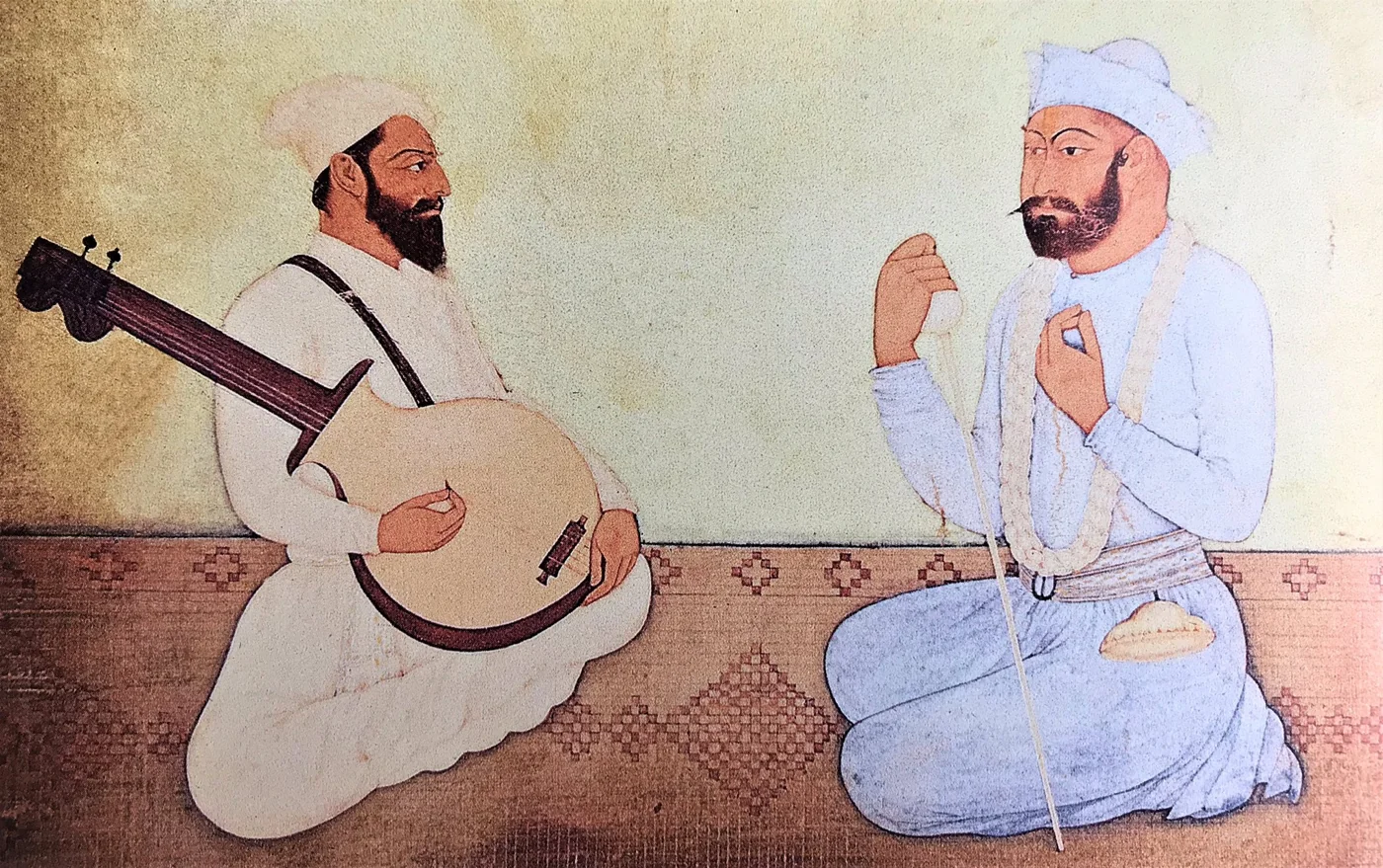
The rabab has a place in Sikh kirtan through Bhai Mardana’s accompaniment to Guru Nanak. In the Janamsakhi stories, the search for an instrument also leads to Firanda, a carpenter and musician.
The Punjabi/Sikh rabab and Afghan rubab carry distinct musical contexts. The Kashmir-made model belongs to the same plucked family played in Afghanistan. Their names connect them; their forms and traditions give each its own place.
Read the story of Firanda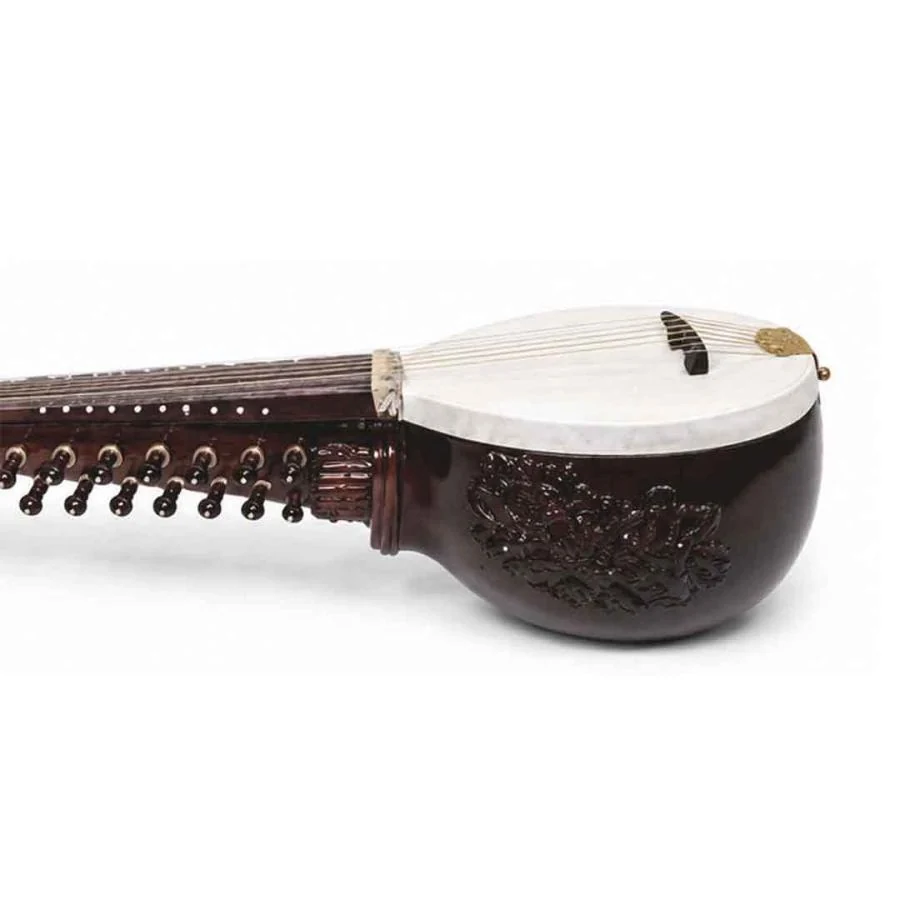
A luthier makes and repairs string instruments. The Anād Foundation traces a craft relationship from Gyani Harbhajan Singh Mistri to Bhai Baldeep Singh, bringing making, playing and teaching into the same story.
When an instrument becomes a recording, the people behind it should remain visible. PMRS connects that question to contributor recognition, documentation and music-rights education.
Continue the story with PMRSLearn more about Rabab: its histories and the school lessons at UA
Craft: Turquoise Mountain. Sikh narrative: Asian Art Museum. Luthiery: Anād Foundation.
Product photographs: Raj Musicals and Bhargavas, used with permission. Rights remain with the respective owners. Opening photograph: Rylan K. Albright / U.S. Air Force, CC BY 2.0. Historical painting: unknown artist, via Wikimedia Commons, public domain. Images resized and converted to WebP.

